

Van Nuys
Near Van Nuys Courthouse, Corner of Delano & Sylvan
For more than 30 years, we’ve worked to keep our community alive, safe, and connected. We provide survival supplies, naloxone, education, and linkage to treatment and services for whoever needs it. No judgement, just care.
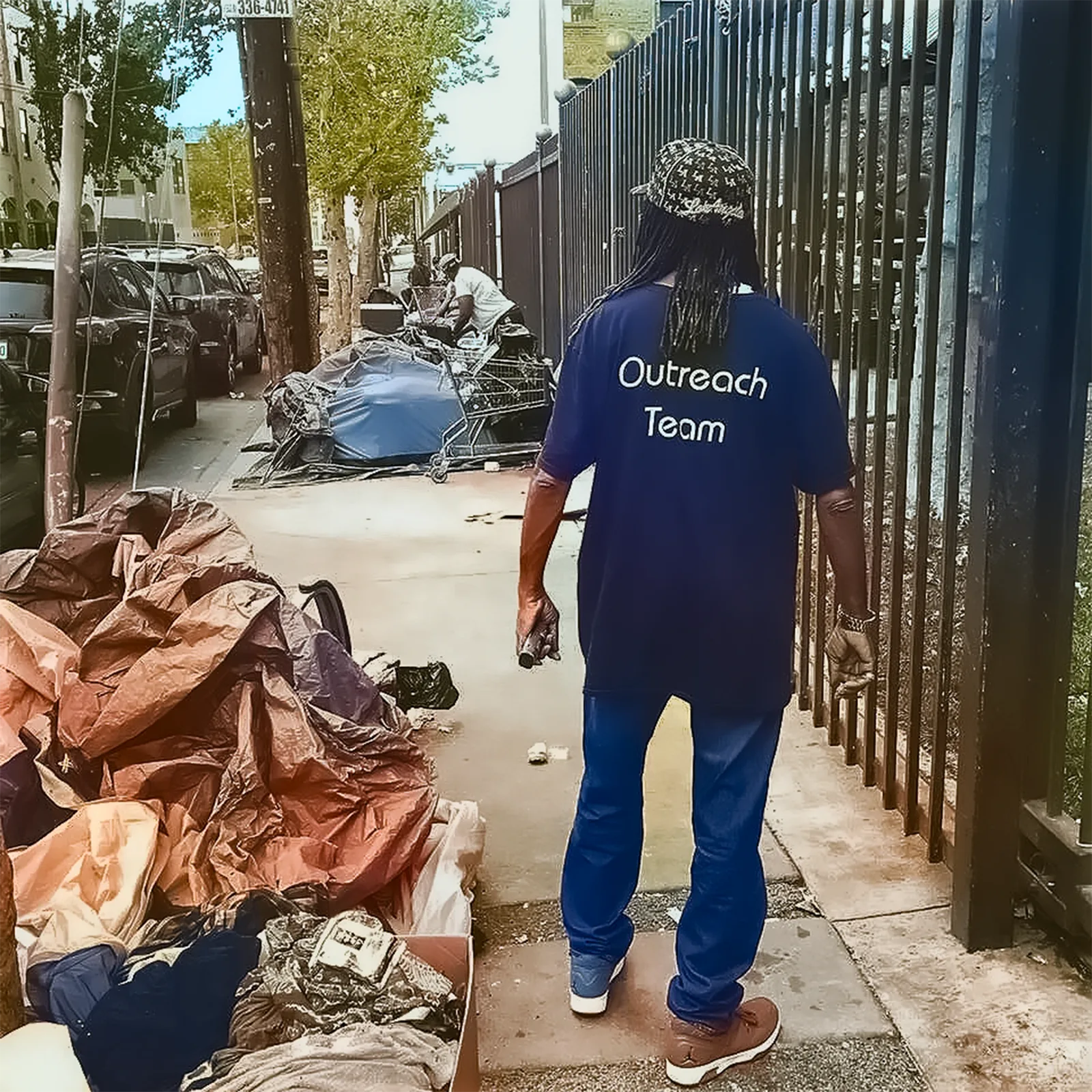
Free naloxone and the training to use it, so you can reverse an overdose and keep the people around you alive.
We'll help you navigate your options for reducing or quitting opioids, stimulants, alcohol, tobacco, or cannabis and work with you to coordinate treatment on your own timeline.
Referral based one-on-one support to navigate housing, health care, and the services you're entitled to. For people navigating the criminal/legal system.
The heart of CHPLA. Safer-use and health supplies with no ID and no exchange required, plus a door to everything else we offer.
For more than three decades, we've cared for our neighbors across LA County. Here's how that work takes shape.
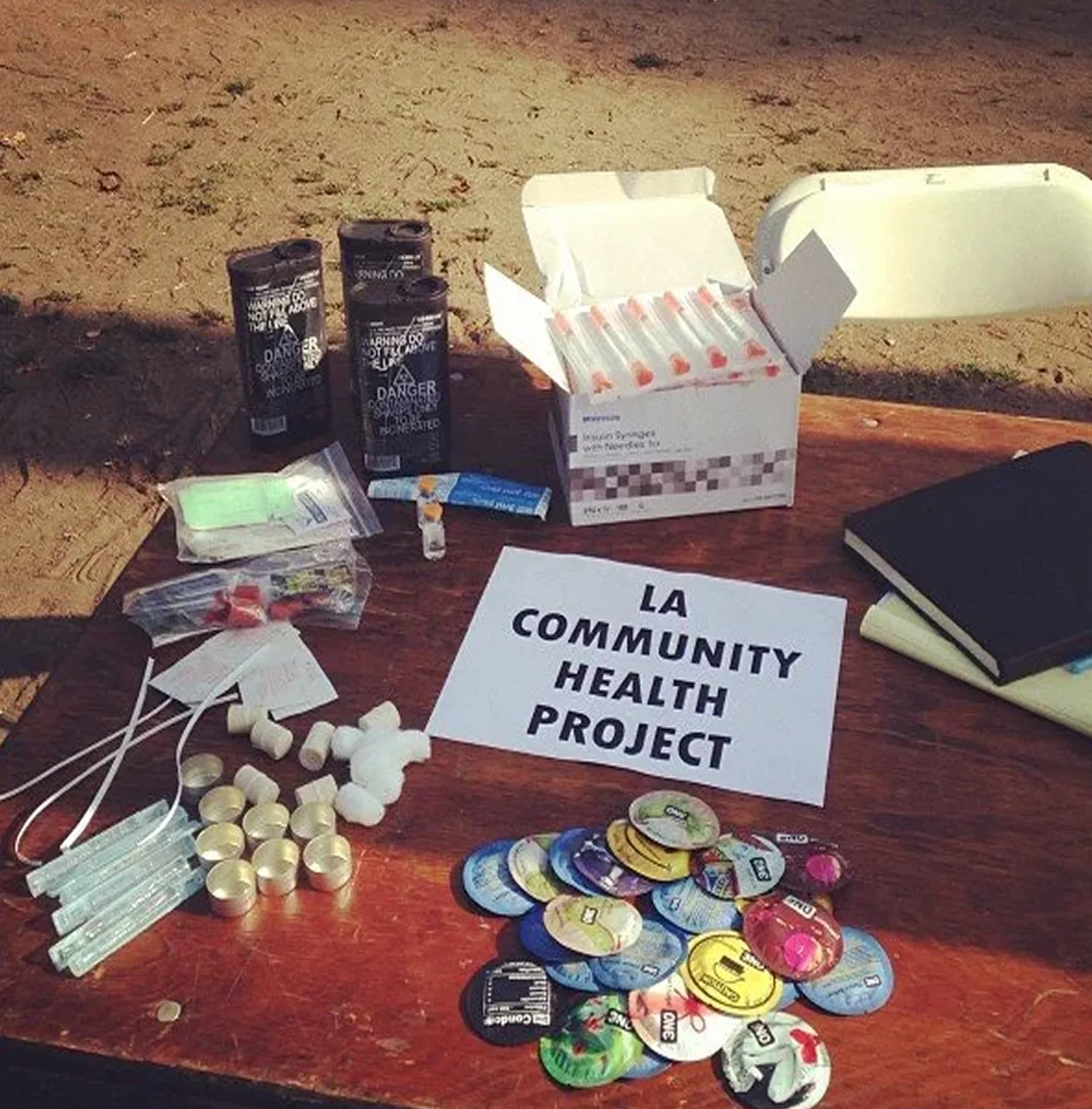
We're out across LA County most days of the week. Find a Syringe Services Program (SSP) or Naloxone Access Point (NAP) site that work for you, and come as you are.
Near Van Nuys Courthouse, Corner of Delano & Sylvan

LGBT Center Parking Lot (in back)
1625 N Schrader Blvd, Los Angeles, CA 90028

Pomona Library
625 S Garey Ave, Pomona, CA 91766
Practical guides and harm reduction information you can use, whether or not you ever walk through our doors.
Did you know?
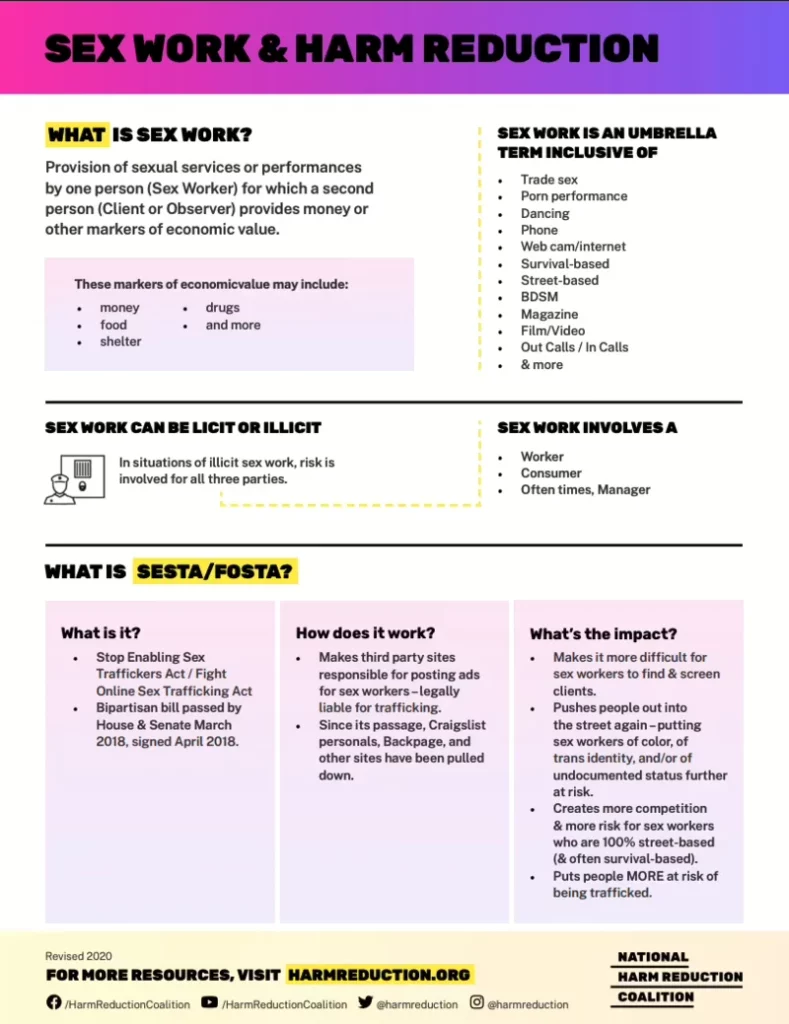
Sex work is one of the few trades in which someone without any formal education can provide for themselves at an equal level to someone with an advanc
- Sex Work and Harm Reduction
Did you know?
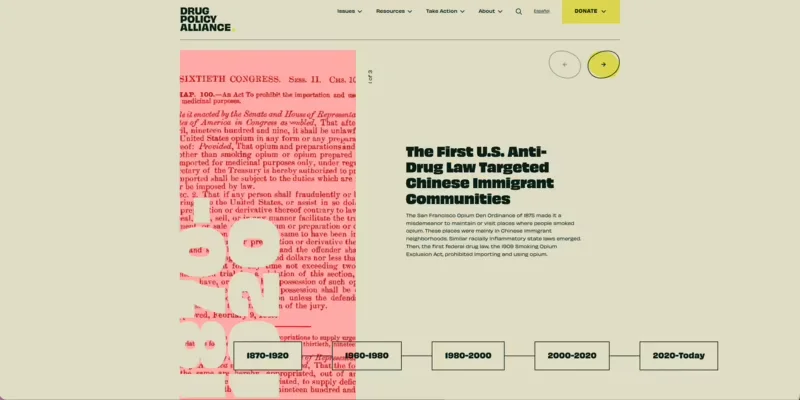
The 1937 Marijuana Tax Act was the first federal U.S. law to criminalize marijuana.
- Drug War History
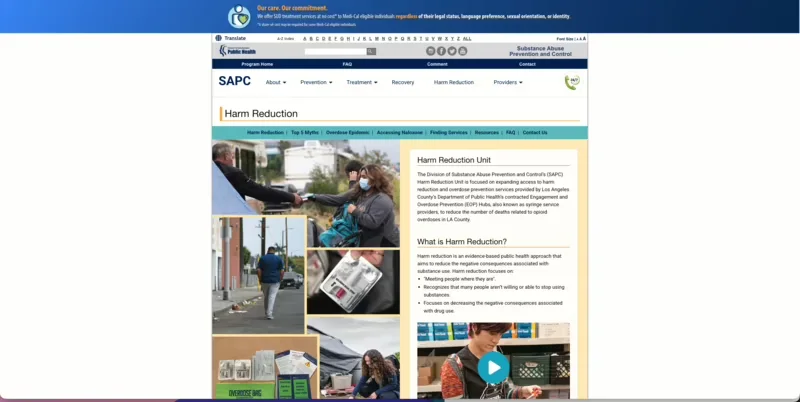
Did you know?
LA County has a dedicated Harm Reduction Unit that is focused on expanding access to harm reduction and overdose prevention services.
- Information on LA County Harm Reduction
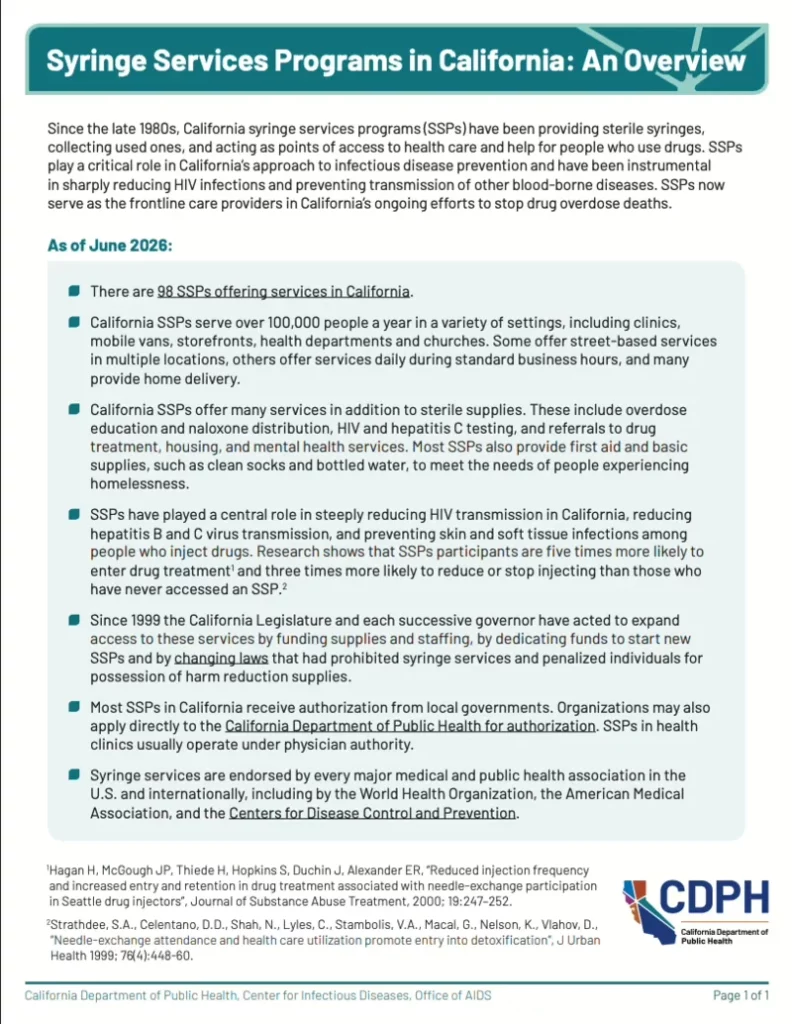
Did you know?
As of June 2026, there are 98 syringe services programs in California.
- Syringe Services Programs in California: An Overview
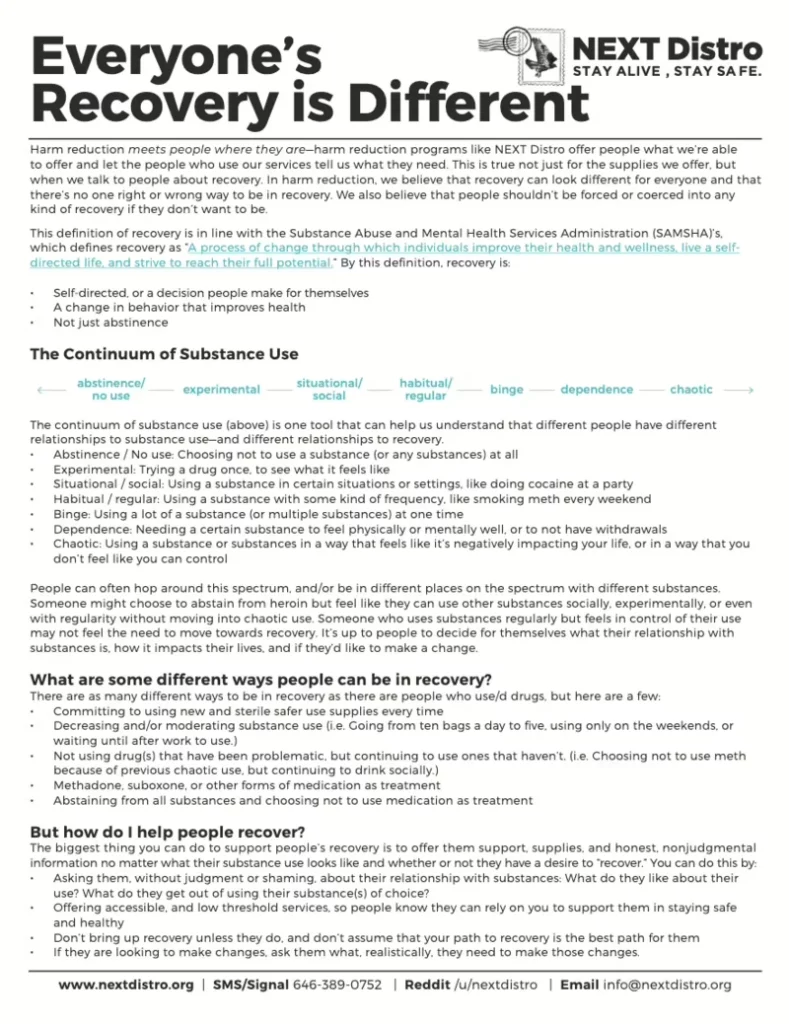
Did you know?
In harm reduction, we believe that recovery can look different for everyone and that there's no one right or wrong way to be in recovery.
- Everyone’s Recovery is Different
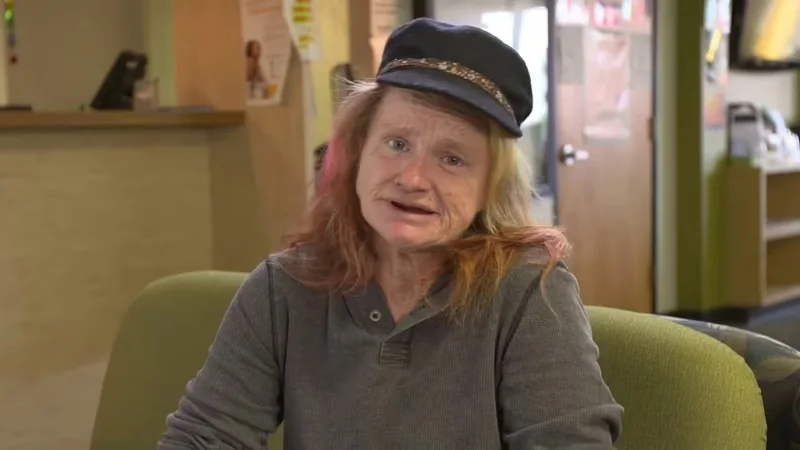
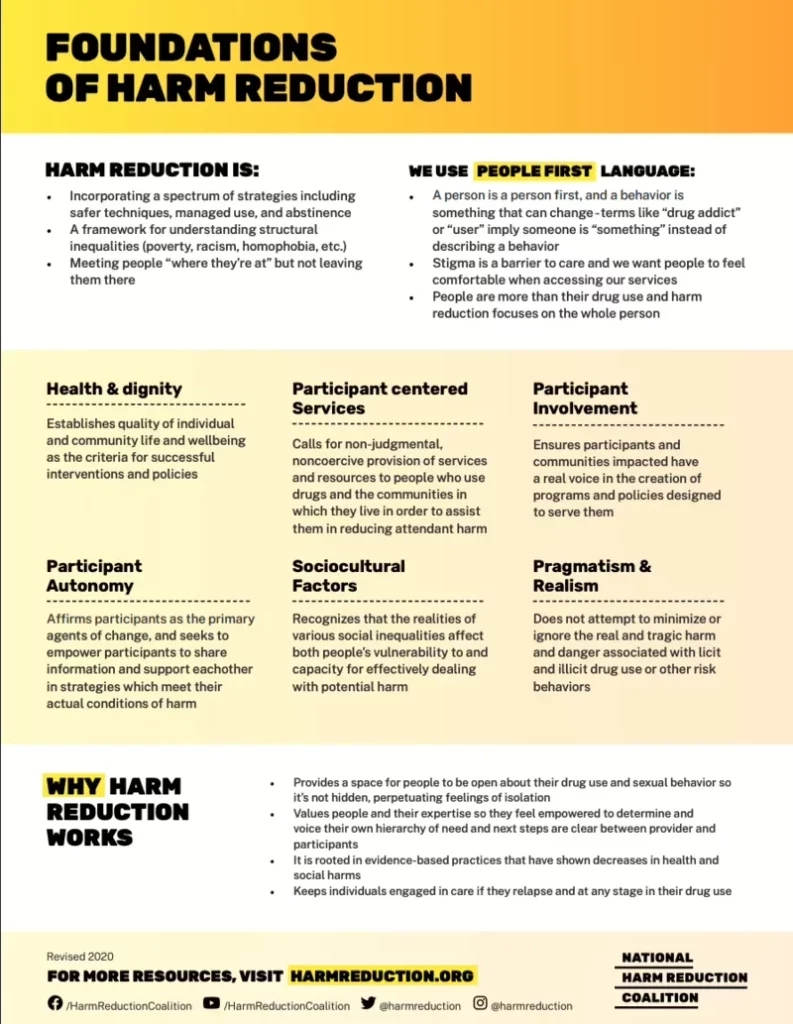
One-page primer on the core principles of harm reduction, plus the risk/set/setting framework for reducing drug-related harm
Learn moreA NEXT Distro zine affirming that recovery is personal and non-linear, meaning different things to different people rather than a single path defined by abstinence.
Learn moreA guide to hepatitis C: how it spreads through blood-to-blood contact, its symptoms, and how safer use and modern treatment can prevent and cure it.
Learn moreSpanish-language guide to recognizing an opioid overdose and giving nasal or injectable naloxone.
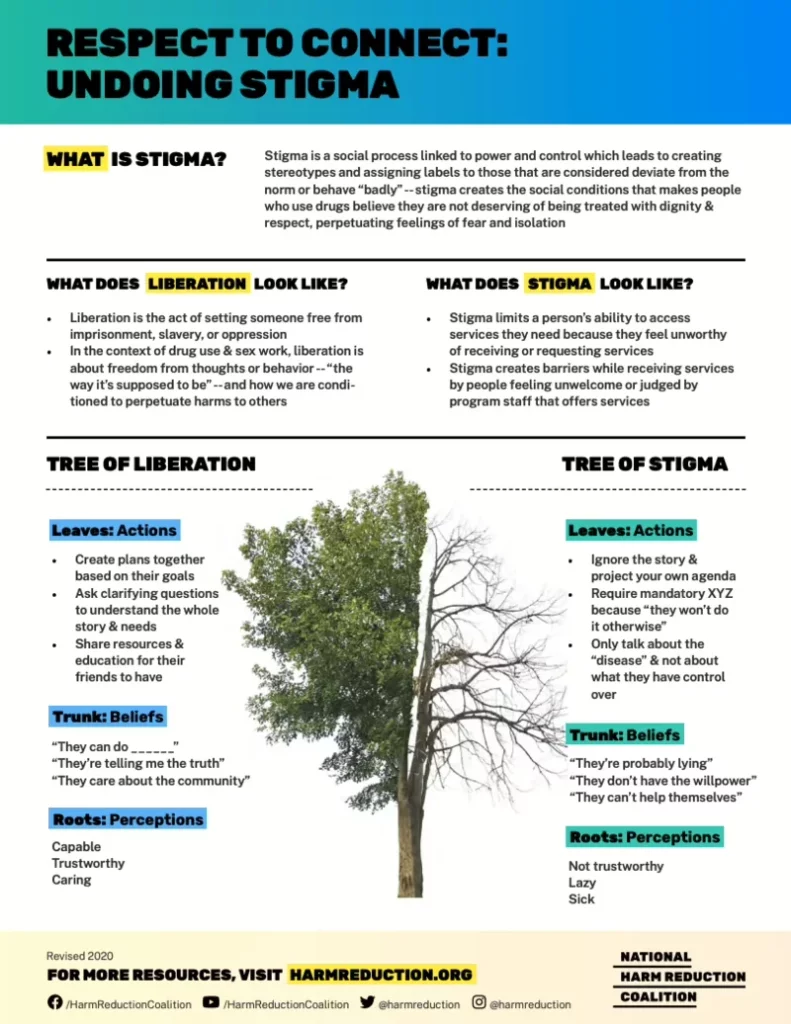
Learn moreExamines how stigma keeps people who use drugs from seeking care and offers concrete ways providers can replace judgment with trust, respect, and dignity.
Learn moreGuidance on checking in and dealing with front-desk staff when you arrive at a clinic.
Learn moreIf you run a program that distributes naloxone or safer-use supplies, our Overdose Education and Naloxone Distribution (OEND) team can help you stock up and train your staff.
Go to OEND